ADA Considerations for Commercial Concrete Walks and Steps
People searching for ADA concrete walks and steps installation are often looking to ensure accessibility and compliance, and local contractors can help design and install ADA-compliant solutions that meet these needs.
Property owners exploring ADA considerations for commercial concrete walks and steps are in the right place. Ensuring accessibility is a practical priority for many businesses and organizations, especially those that welcome the public or serve customers with mobility challenges. Properly designed and installed concrete pathways and steps can improve safety, meet legal requirements, and enhance the overall usability of a property. Local contractors specializing in ADA-compliant concrete solutions can help navigate these considerations, ensuring that walkways and steps are safe, accessible, and compliant with current standards.
For property owners in the area, understanding ADA requirements for commercial concrete walks and steps is essential for creating inclusive environments. Local service providers can assess existing structures or help plan new installations that accommodate all visitors comfortably. Whether installing ramps, textured surfaces, or properly graded steps, these professionals bring practical expertise to help meet accessibility needs. Keep reading to learn more about how ADA considerations influence concrete walkways and steps, and discover how local experts can assist in creating accessible, functional outdoor spaces.
- ADA-compliant walkways - property owners planning new commercial developments seek accessible pathways that meet ADA standards, and local contractors can design and install compliant concrete walks.
- Accessible steps installation - businesses upgrading entrances for ADA considerations often need steps that adhere to height and slope requirements, with local pros ensuring proper construction.
- Curb ramps and transitions - facilities aiming to improve accessibility for all visitors may require ramps and smooth transitions, which local concrete specialists can install to meet ADA guidelines.
- Surface leveling and slip resistance - commercial properties needing safe, ADA-compliant surfaces focus on proper leveling and slip-resistant finishes, handled by experienced local service providers.
- Walkway widening and modifications - existing concrete walks may need modifications to meet ADA clearance and accessibility standards, with local contractors providing tailored solutions.
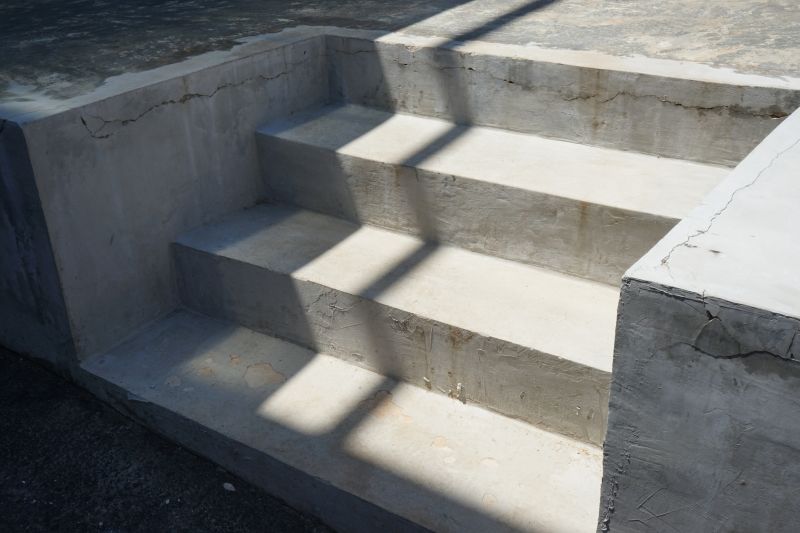


When searching for information on ADA considerations for commercial concrete walks and steps, most people are looking for guidance on how to ensure outdoor pathways meet accessibility standards. This topic often comes up in the context of planning or renovating properties to accommodate individuals with mobility challenges. Property owners, facility managers, or business operators may be evaluating existing walkways or designing new ones to comply with ADA regulations. The focus is typically on creating safe, accessible routes that enable everyone to navigate the property comfortably, regardless of physical ability.
The types of problems related to ADA considerations for commercial concrete walks and steps often involve uneven surfaces, inadequate slopes, or steps that are difficult to access. Common plans include installing ramps, modifying existing steps, or constructing new walkways that adhere to ADA guidelines. These projects are especially relevant when properties are being updated to improve accessibility or to meet legal requirements. Challenges may include ensuring proper slope ratios, providing adequate handrails, and creating smooth, slip-resistant surfaces. Addressing these issues helps prevent accessibility barriers and promotes inclusive use of commercial spaces.
Properties that typically come up in discussions about ADA-compliant concrete walks and steps include retail stores, office buildings, healthcare facilities, and public spaces like parks or community centers. These locations often have high foot traffic and are required to provide accessible entrances and pathways. Commercial properties with multiple levels or uneven terrain may need to incorporate ramps or carefully designed steps to meet ADA standards. Homeowners with commercial properties or multi-unit residential complexes may also seek guidance on making exterior walkways accessible for visitors or residents with mobility devices.
Local contractors and service providers specializing in ADA concrete walks and steps play a crucial role in helping property owners address these considerations effectively. They understand the importance of designing and installing accessible pathways that comply with ADA guidelines while also fitting the property’s aesthetic and functional needs. These professionals can assess existing conditions, recommend suitable modifications, and execute installations that improve safety and accessibility. Connecting with experienced local service providers ensures that projects are handled with practical expertise, making it easier for property owners to meet ADA requirements and create welcoming, accessible environments.
Accessible Ramp Installations - local contractors who specialize in ADA-compliant ramps can help ensure commercial walkways meet accessibility standards, including proper slope and surface considerations.
Curbed Sidewalk Construction - professionals experienced in curbing and grading work can create level, stable surfaces that comply with ADA requirements for safety and accessibility.
Concrete Surface Repair - service providers skilled in repairing and leveling concrete surfaces can address existing issues to maintain ADA compliance on commercial walks and steps.
Staircase and Handrail Installation - local contractors familiar with ADA guidelines can install accessible stairs and handrails that support safe navigation for all users.
Drainage and Slope Planning - experts who plan and implement proper drainage and grading ensure concrete walks and steps are accessible and prevent water accumulation or hazards.
Site Accessibility Assessments - service providers can evaluate existing commercial walkways for ADA compliance and recommend necessary modifications for accessibility.
When comparing service providers for ADA considerations for commercial concrete walks and steps, it’s important to evaluate their experience with similar projects. Contractors who have a proven track record working on ADA-compliant walkways and steps are more likely to understand the specific requirements and challenges involved. Homeowners should inquire about the types of projects a contractor has completed and seek evidence of familiarity with ADA standards to ensure the work will meet accessibility needs effectively.
Clear written expectations are essential when selecting local contractors for ADA concrete walks and steps installation. A detailed scope of work, including the specific ADA requirements such as slope, width, tactile indicators, and surface smoothness, helps prevent misunderstandings. Homeowners should look for service providers who can provide comprehensive project descriptions and written estimates that outline all aspects of the work, ensuring transparency and clarity from the outset.
Reputable references and good communication are key factors in choosing the right contractor. Service providers with positive references from previous clients who had similar ADA compliance projects can offer reassurance of their reliability and quality of work. Additionally, contractors who communicate clearly and promptly can better understand the homeowner’s needs, answer questions, and keep the project on track. Prioritizing these qualities helps ensure that the installation of ADA-compliant concrete walks and steps will meet accessibility standards and suit the specific requirements of the property.
Property owners often search for ADA considerations for commercial concrete walks and steps when they are planning practical projects around their homes and businesses. Local pros provide ADA Concrete Walks and Steps Installation services for everyday jobs and straightforward project options.
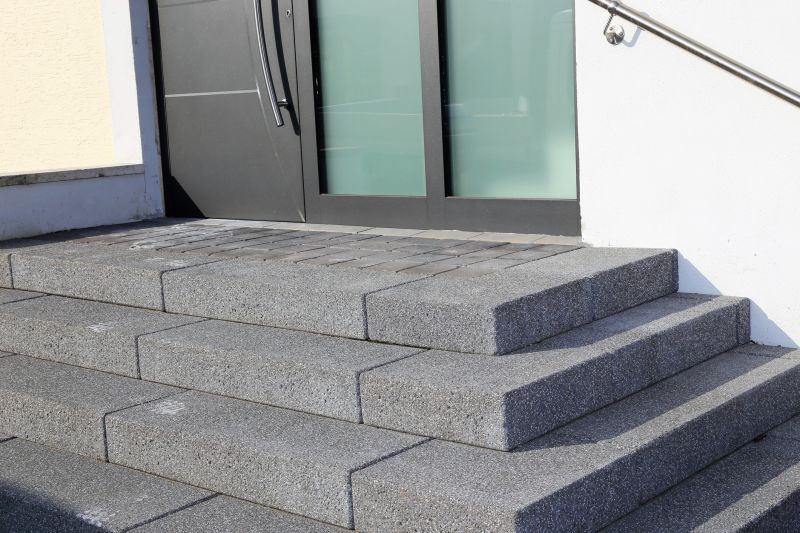

Understanding ADA considerations for commercial concrete walks and steps is important for property owners who want accessible and compliant outdoor spaces. Whether planning a new installation or updating existing walkways, many people look into these guidelines to ensure their property is welcoming to all visitors, including those with mobility challenges. Local contractors specializing in ADA-compliant concrete work can help assess site conditions, recommend appropriate design features, and handle installations that meet accessibility standards, making it easier for businesses and property owners to create safe, functional pathways.
Property owners often seek out ADA concrete walks and steps installation services when they notice that existing walkways are uneven or lack proper ramps and handrails. Ensuring compliance not only helps avoid potential legal issues but also improves the overall usability of commercial spaces. Local service providers experienced in ADA considerations can provide the expertise needed to design and install accessible solutions that fit the specific layout of a property, helping owners meet regulations while enhancing accessibility for all visitors.
What are key ADA considerations for commercial concrete walks and steps? ADA considerations for commercial concrete walks and steps include proper slope, width, and surface smoothness to ensure accessibility for all users.
How can local contractors ensure concrete steps meet ADA guidelines? Local contractors can ensure ADA compliance by designing and installing steps with appropriate riser heights, tactile warnings, and accessible handrails.
Are there specific surface requirements for ADA-compliant concrete walks? Yes, ADA-compliant concrete walks should have slip-resistant surfaces with smooth, even finishes to prevent tripping hazards.
What is the recommended slope for ADA-compliant concrete ramps and walks? The recommended slope for ADA-compliant ramps and walks is generally 1:12, meaning one inch of rise for every foot of run.
Can local service providers assist with ADA accessibility modifications for existing concrete walks and steps? Yes, local contractors can help modify existing concrete walks and steps to improve ADA accessibility by adding ramps, handrails, or resurfacing as needed.
Accessibility Path Design - Property owners can work with local contractors to ensure that concrete walks are designed with proper slope and width, making them accessible for all users.
Step Height and Depth - Local service providers can help install steps with appropriate riser heights and tread depths that comply with ADA guidelines for safety and ease of use.
Surface Texture Considerations - Choosing textured or non-slip finishes for concrete steps and walks can improve safety and accessibility, especially in wet conditions.
Clearance and Obstructions - Contractors can ensure that concrete pathways are free of obstructions and have enough vertical and horizontal clearance for wheelchair access and mobility aids.
If you are thinking about ADA considerations for commercial concrete walks and steps for a property, this guide is meant to help you understand this topic, the typical project types, and how different options might fit your plans.
When you are ready, you can use the quote form on this page to share a few details about your project. From there, local pros can review the basics and follow up with options that match what you have in mind.